If 2023–2024 was about being seen, 2025–2026 has been about building, partnerships, platforms, and a policy voice that stretches from Nigeria’s elephant corridors to the United Nations in Geneva. I want to take you through it the way I lived it, moving between continents faster than I sometimes expect.
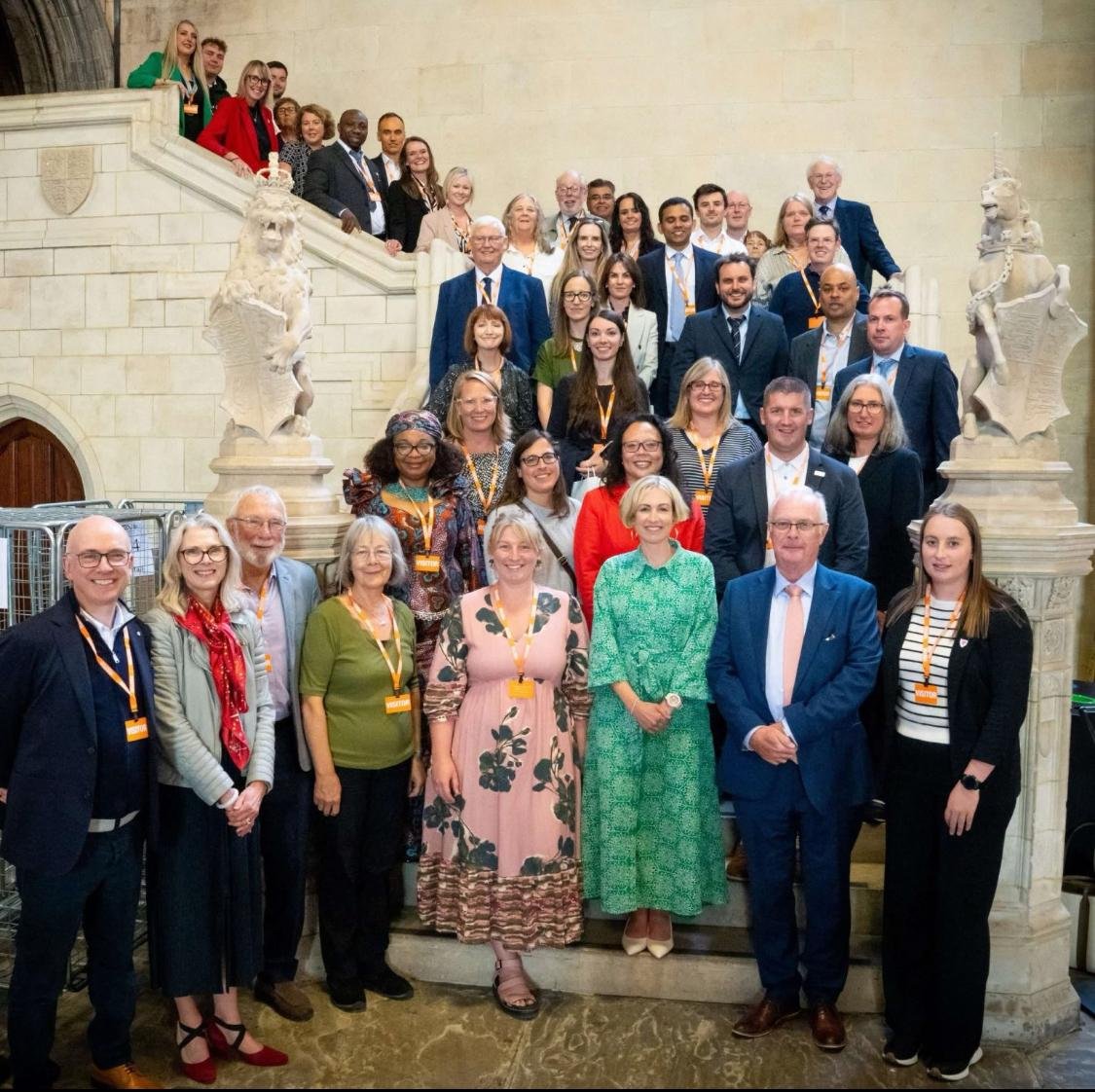
It began with World Elephant Day, where I stood alongside the Conservator General of Nigeria’s National Parks Service and WACI to present the outputs of our “Save Nigeria’s Elephants” project, funded by UNDP’s GEF Small Grants Program. The timing could not have been better: the very next day, Nigeria launched its National Elephant Action Plan, and that same week our paper on co-creation approaches to improving African elephant conservation was accepted for publication. I remember posting, half in disbelief, “What a week!”, because it genuinely was.
A lecture, and a lesson in listening
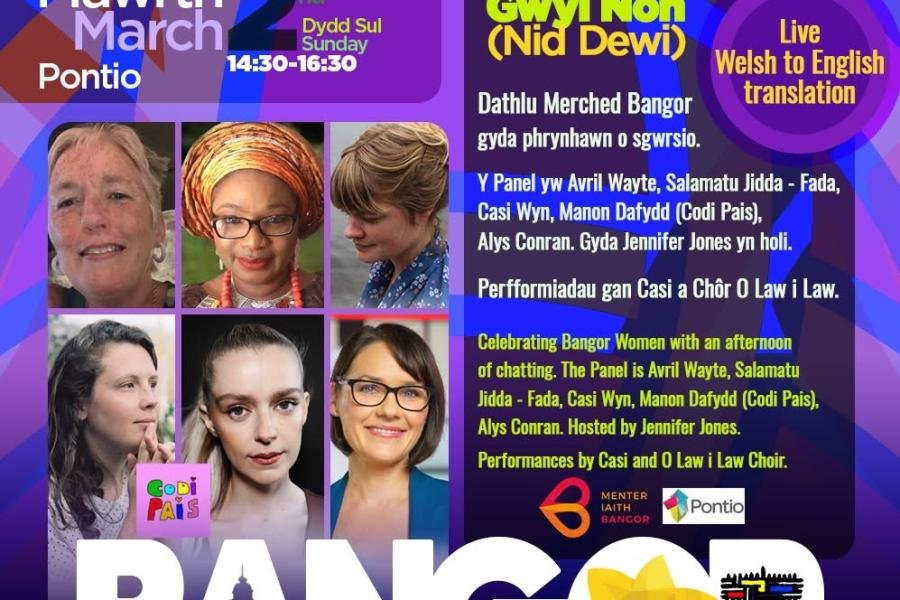
The women’s conversations of these two years actually began a year earlier, in March 2025, when I joined Avril Wayte, Casi Wyn, Manon Dafydd of Codi Pais, and Alys Conran, hosted by Jennifer Jones, for “Celebrating Bangor Women,” an afternoon of panel discussion and music timed to the city’s Gŵyl Dewi Sant, St David’s Day, celebrations, complete with live Welsh-to-English translation for those still finding their footing in the language.
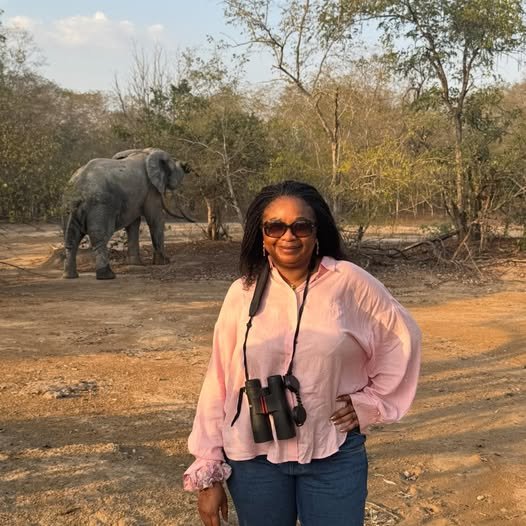
Our Women’s Month, as I have come to call March, opened properly with Bangor University marking International Women’s Day with a panel on Resilience and Collaboration, where I found myself sharing the Eric Sunderland Lecture Theatre stage with Hanan Issa, Elin Haf Davies and Julia Jones, four very different paths converging for ninety minutes on a Wednesday evening. Days later I hosted a webinar of my own with the Network of Women for Sustainable Development, NEWSD, on the theme “Rooted in Giving, Rising in Power,” and in between I joined a last-minute but well-attended panel on sexual harassment in the workplace, proof that some conversations cannot wait for a perfect slot in the calendar.
Helsinki, Brisbane, Oaxaca
In the space of a few months, I found myself in Helsinki, Finland, for a CASRI workshop bringing together European environmental protection agencies, where I told an interviewer plainly: “The main gaps are the disparity between policy intentions and policy outcomes. How research is done, and how data and analysis are conducted, can be improved to truly benefit the end users.” That line has followed me since, because it is the honest, unglamorous truth about most of the policy work I care about.
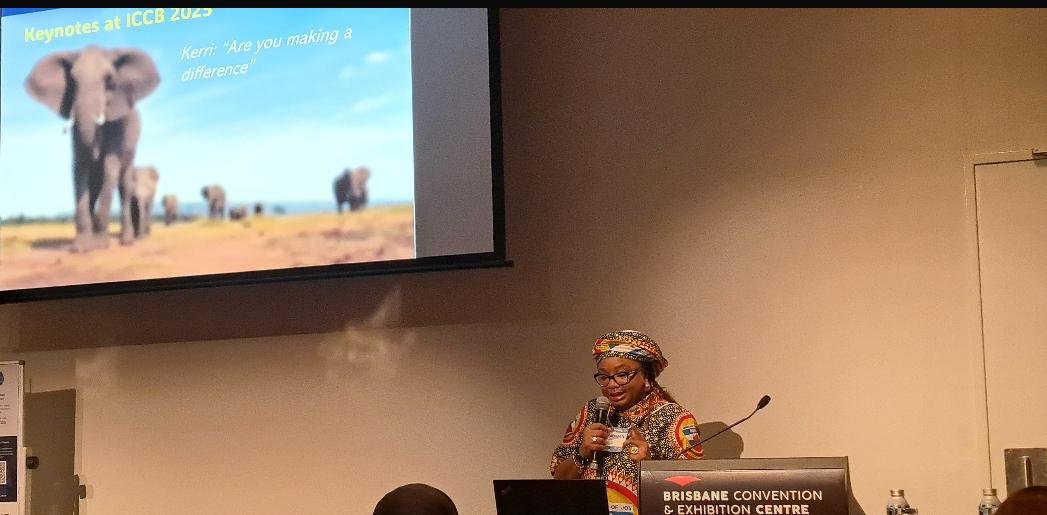
From there it was on to Brisbane, Australia, for the International Congress for Conservation Biology 2025, a vibrant gathering of conservation professionals from around the world. The presentations were robust, the keynotes thought-provoking, and the welcome from the Traditional Owners, marked by a powerful smoking ceremony, set a tone of respect I will not forget. A personal highlight was the hands-on afternoon planting at Archerfield Wetlands, beautifully organized by the Brisbane Sustainability Agency, a reminder that local action is still where global conservation efforts have to land. Later, in Oaxaca, Mexico, I ran a workshop at the 61st ATBC Conference on equipping early- and mid-career tropical biologists and spent long evenings in conversation about human–wildlife conflict with colleagues from the ATBC’s African section. Conservation, I am reminded every time, is the same conversation in a different accent.
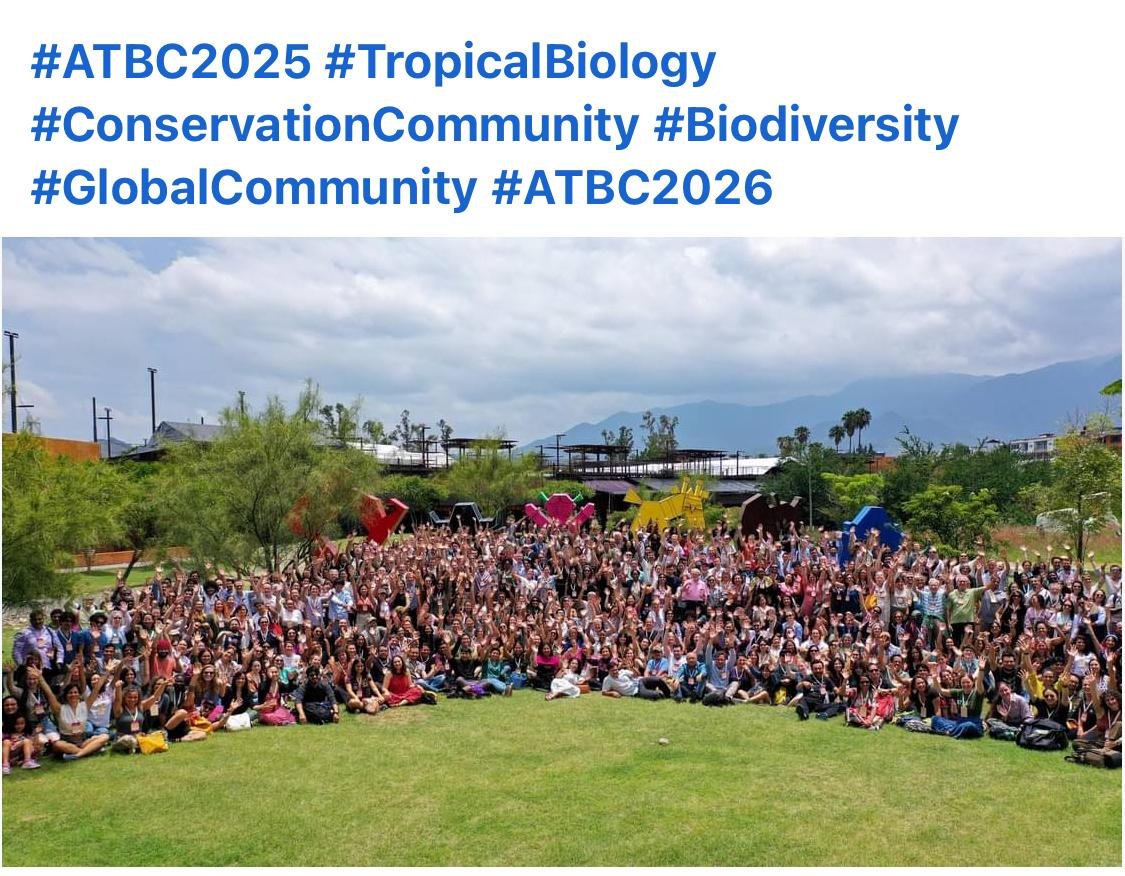
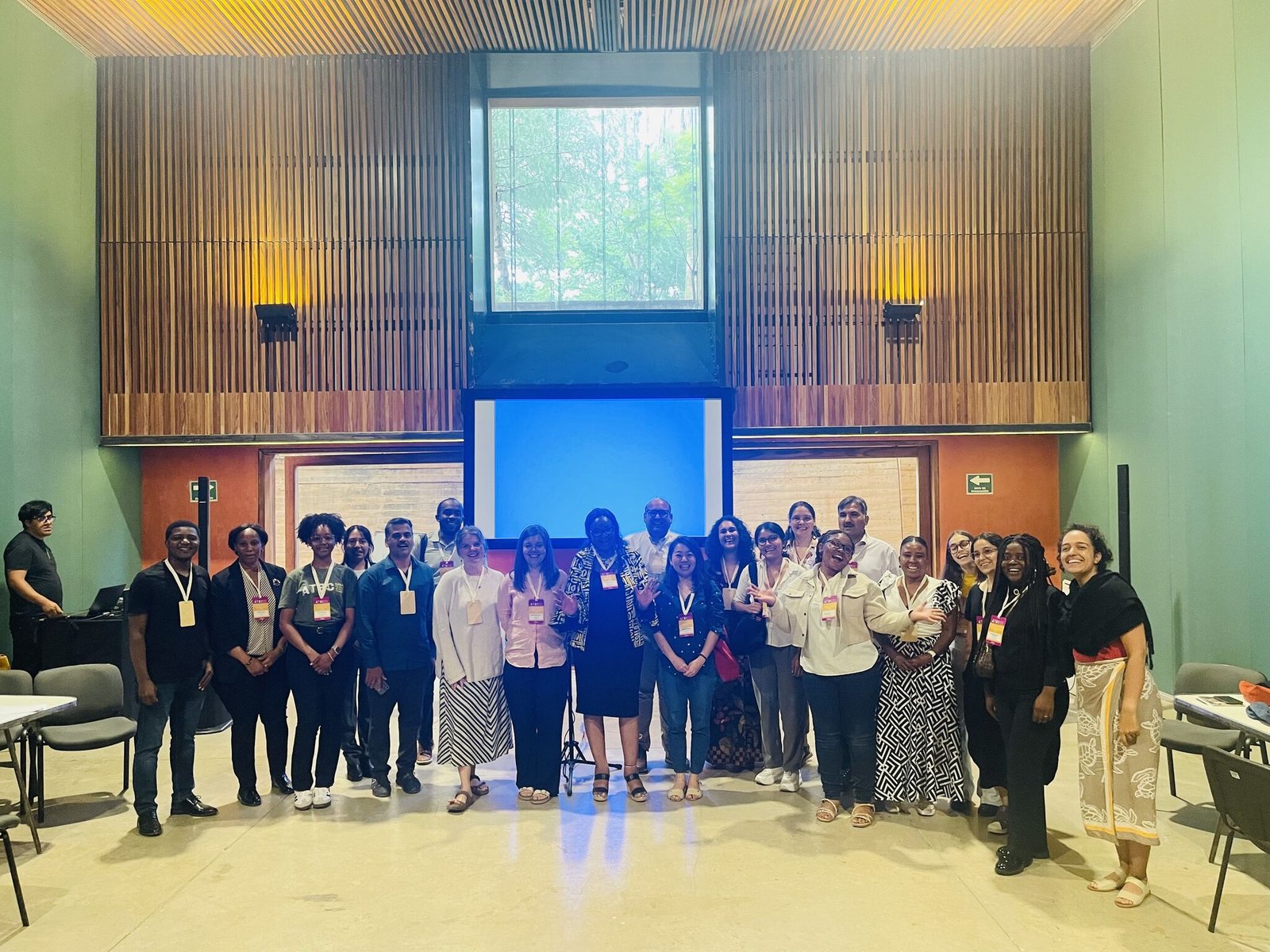
“Conservation, I am reminded every time, is the same conversation in a different accent.”
A seat on Eryri, and a seat at the UN
Back in Wales, I was appointed by the Deputy First Minister and Cabinet Secretary for Climate Change to serve a four-year term as a Member of the Eryri National Park Authority, a role that feels deeply personal given how much that landscape has come to mean to me and my family. I also continued as a Diversity Member of the CCESRA Expert Advisory Group under the Anti-Racist Wales Action Plan and later spoke at an Insights Wales webinar on Anti-Racist Action for Environment and Climate Change. 
Perhaps the moment that best captures how far this journey has travelled was standing inside the Palais des Nations in Geneva, at the United Nations, speaking at the Global Empowerment & Inclusion Summit 2026 on the theme “From Voices to Vision: Health, Justice, Innovation & Inclusion in Action.” I spoke about strengthening the link between evidence, policy and community action, particularly in conservation and natural resource management, alongside colleagues working on health equity, education and women’s leadership. From a childhood in northern Nigeria to that room in Geneva is not a straight line, but every stop along the way, Bangor, Yankari, Helsinki, Brisbane, Oaxaca, Eryri, mattered.
speaking at the Global Empowerment & Inclusion Summit 2026
Climate justice, side by side
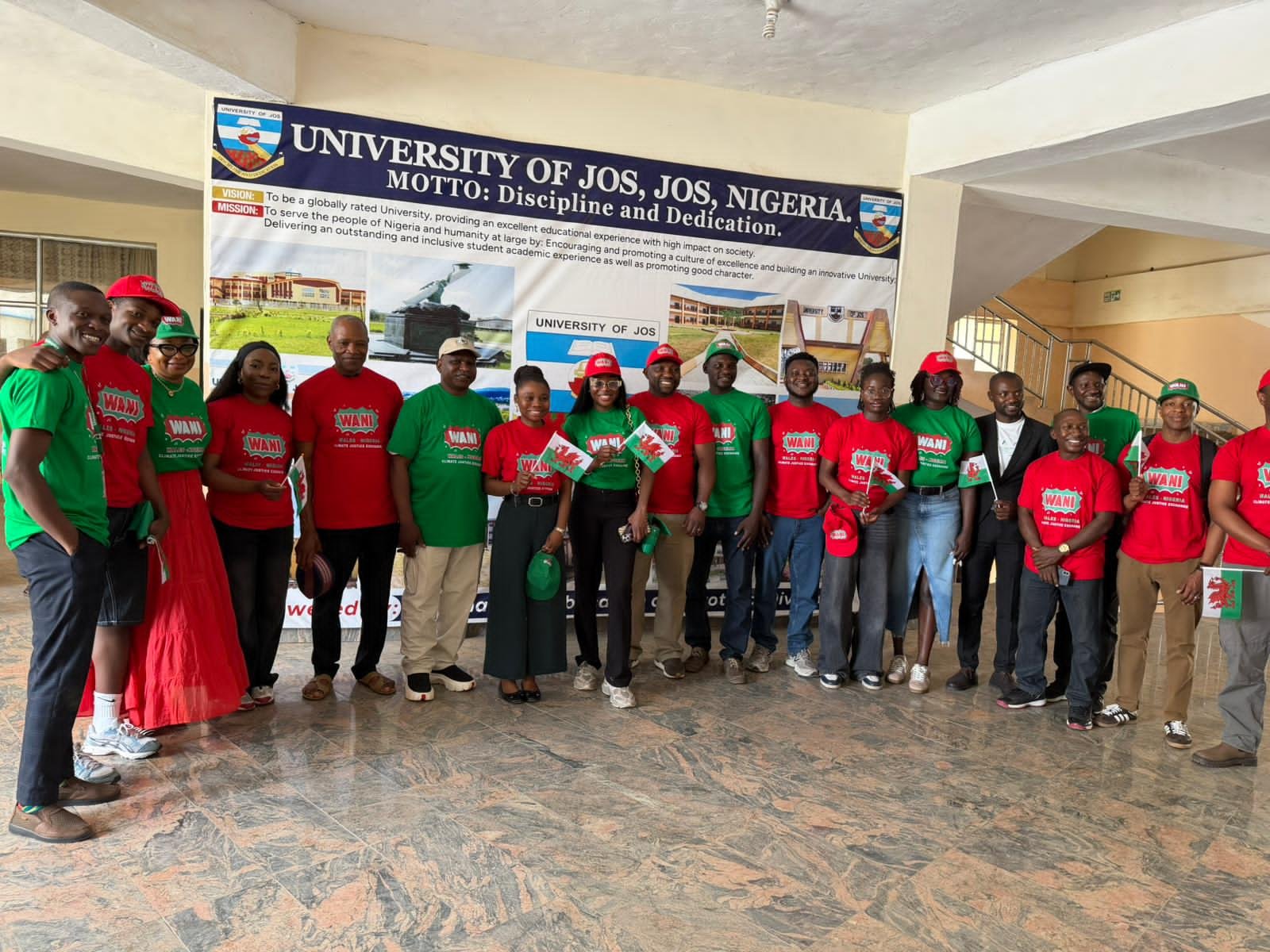
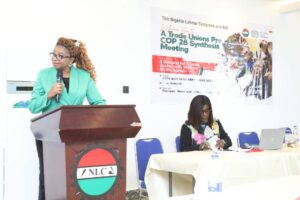
Still under the umbrella of the Youth Climate & Leadership Exchange Program, I travelled with our WANI team from North Wales, alongside Cllr Sam Njoku, to the headquarters of the Nigeria Labour Congress in Abuja. The NLC received us warmly and briefed us on their commitment to Climate Justice and a Just Transition for Nigerian workers, standing firmly on the point that there are no jobs on a dead planet. It struck me, sitting in that room, that the climate conversation is so often framed as a choice between livelihoods and the planet, when the people closest to the work know it has never really been a choice at all.
Passing it on
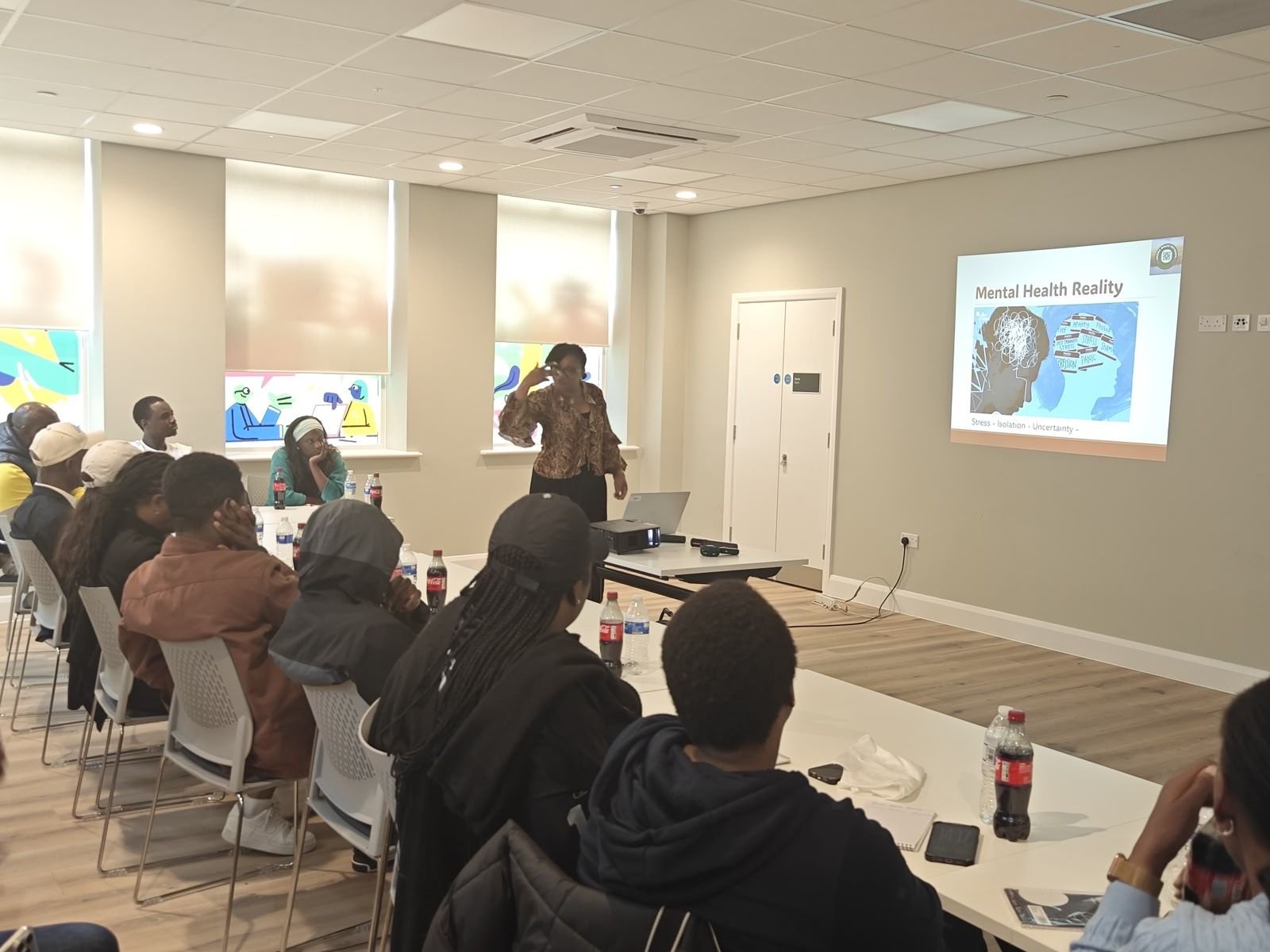
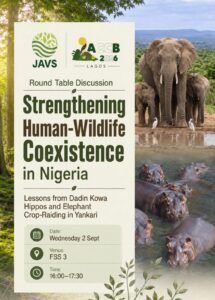
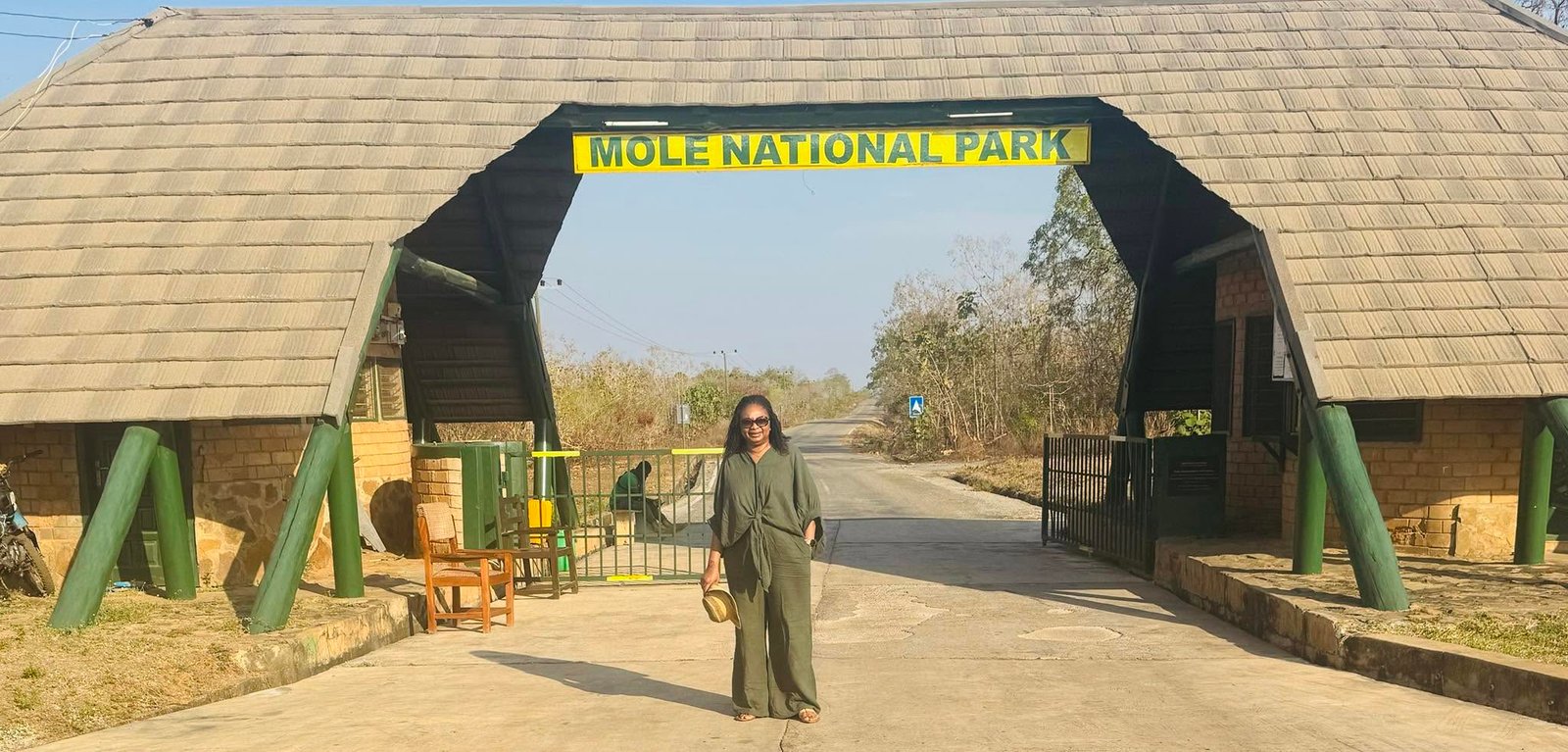
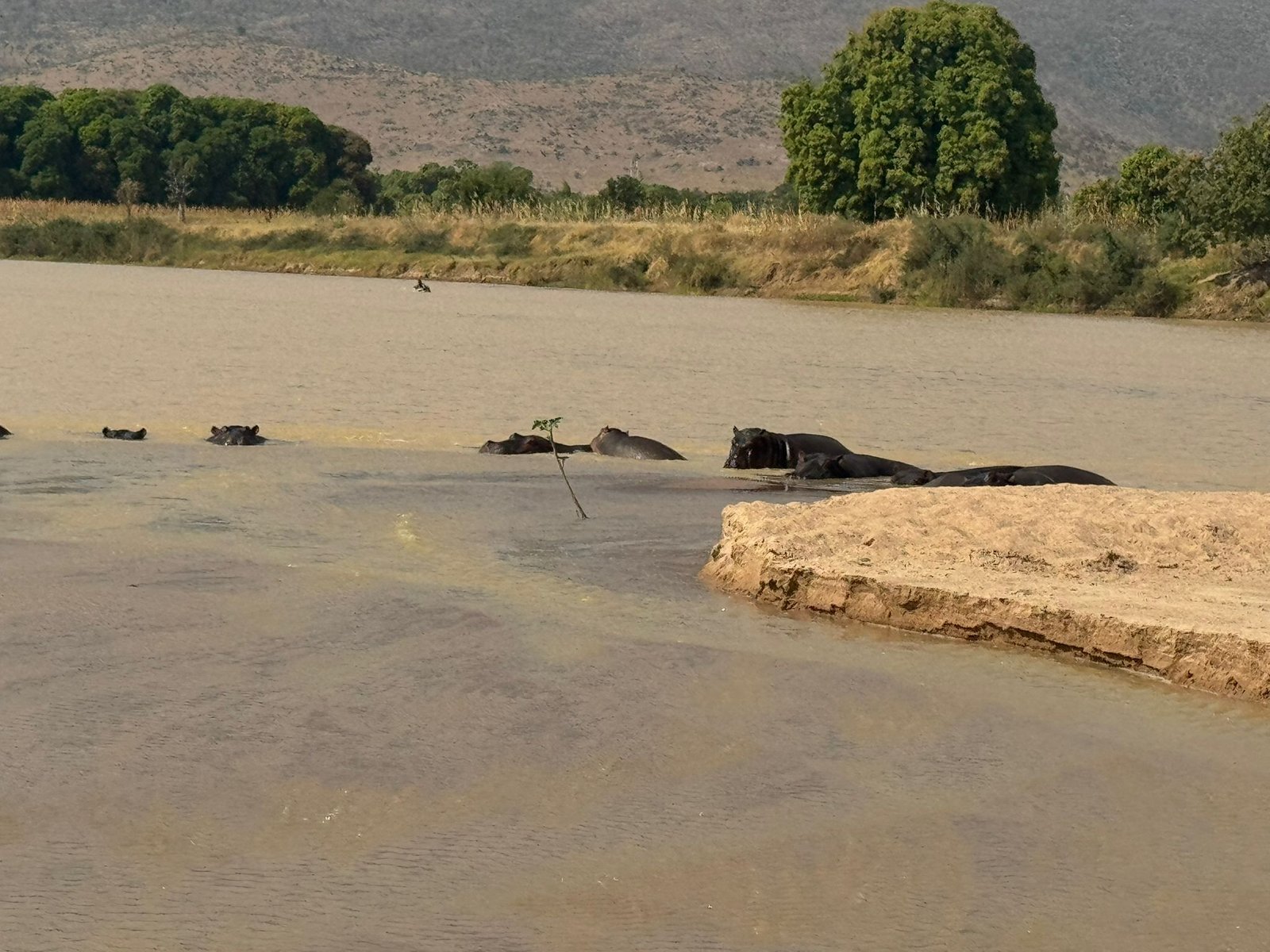
Closer to the ground, I facilitated a PhD Sensitization Workshop in Cardiff with the Arewa Wales Network Community, where we spent the day being honest about the harder parts of doctoral study, the self-doubt, the balancing act, the loneliness that nobody warns you about, and why knowing your own “why” matters more than any research proposal template. I also joined the Mastering Diversity Conference and Awards and closed out the year the way I like best: visiting Dadin Kowa in Nigeria to discuss hippo conservation, then ringing in the new year among the elephants and communities of Mole National Park in Ghana.
Looking back over these two years, I keep returning to the same thought: none of this work makes sense as a list of places visited or titles held. It only makes sense as one continuous effort to connect people, policy and place, whether that is a village near Yankari, a lecture hall in Bangor, or a summit room in Geneva. There is a great deal more to do, and I am glad to be doing it in company.